The UK has been generating electricity from nuclear power for over sixty years. Nuclear power generates 15% of the UK’s electricity as of 2023, and current government plans call for this percentage to rise to about 25% by 2050. Consequently, the issue of safely disposing of the UK’s existing stockpile of radioactive waste, as well as any waste that may be generated in the future, is clearly posed. Current UK government policy is to dispose of the higher activity wastes in an underground geologic disposal facility, known as a GDF. Construction of such a facility will have an estimated cost of £20-53 billion, over a period of several decades. The purpose of a GDF is the safe disposal of radioactive waste for periods of tens of thousands of years, in a manner that ensures that any leakage of radioactive materials into the surrounding biosphere will not result in unacceptable impacts to humans and the environment as described in regulatory guidance (Geological disposal facilities on land for solid radioactive wastes – GOV.UK (www.gov.uk).
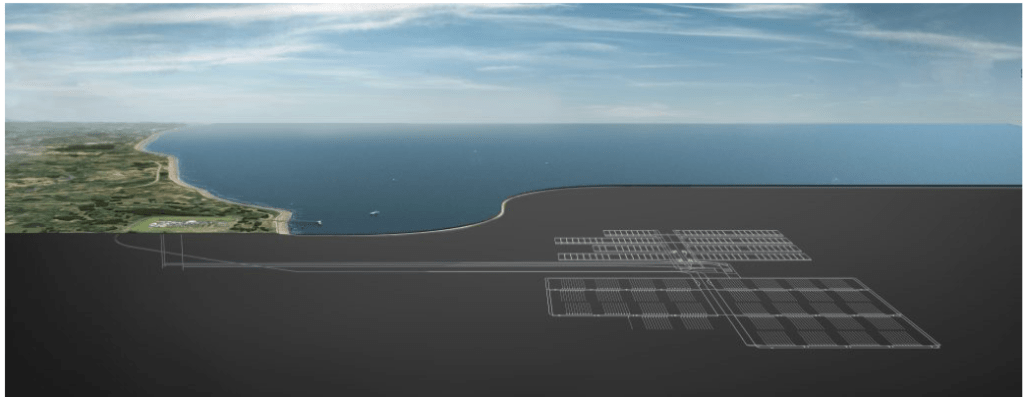
Figure 1. Illustrative diagram showing underground tunnels and vaults of GDF in an inshore location (NWS, 2023)
 GeoSafe Project